Bring the aquifer-test record that remains unresolved under the conventional interpretation.
A useful collaboration begins with a specific pattern: delayed recovery, flux-gradient asynchrony, phase-amplitude mismatch, TRT disagreement, or residual structure that may change a design or management decision.
Start with a question that the existing evidence leaves open.
Possible topics include testing lag-parameter transfer across frequencies or sites, distinguishing lagging and dual-domain interpretations, or reanalyzing pumping and recovery records. These are questions for discussion; the published cases and teaching demos define the current evidence.
Describe your research question, the forcing and observations, the competing models, and the validation that would distinguish them. If you propose using data, state what records you can access and any sharing restrictions.
Four entry points for teams with field or operational data.
For teams that need a decision-ready technical audit.
A diagnostic audit is an appropriate first step when the work involves field data, model assumptions, client-facing decisions, or confidential project constraints.
Research develops through exchange.
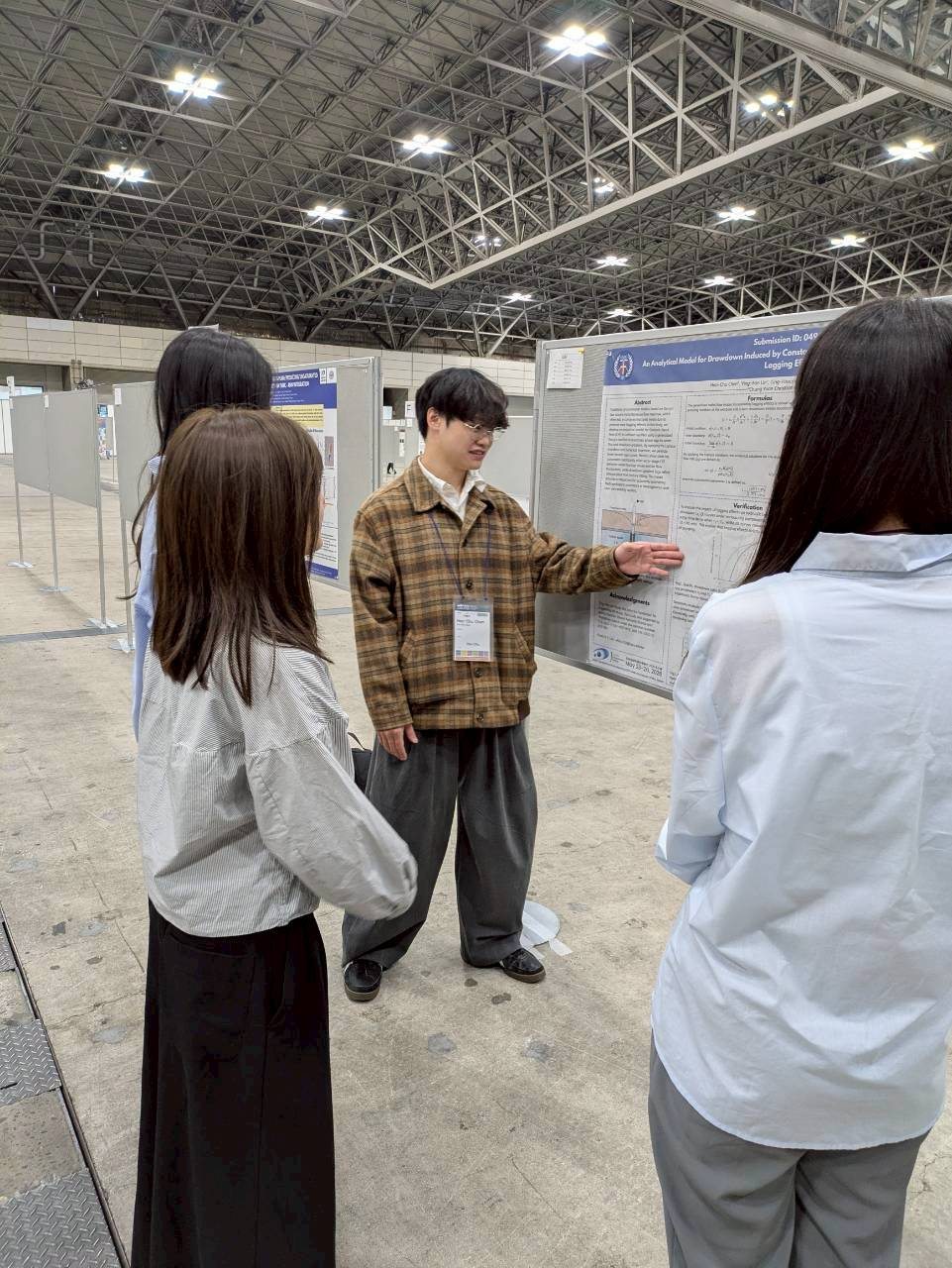
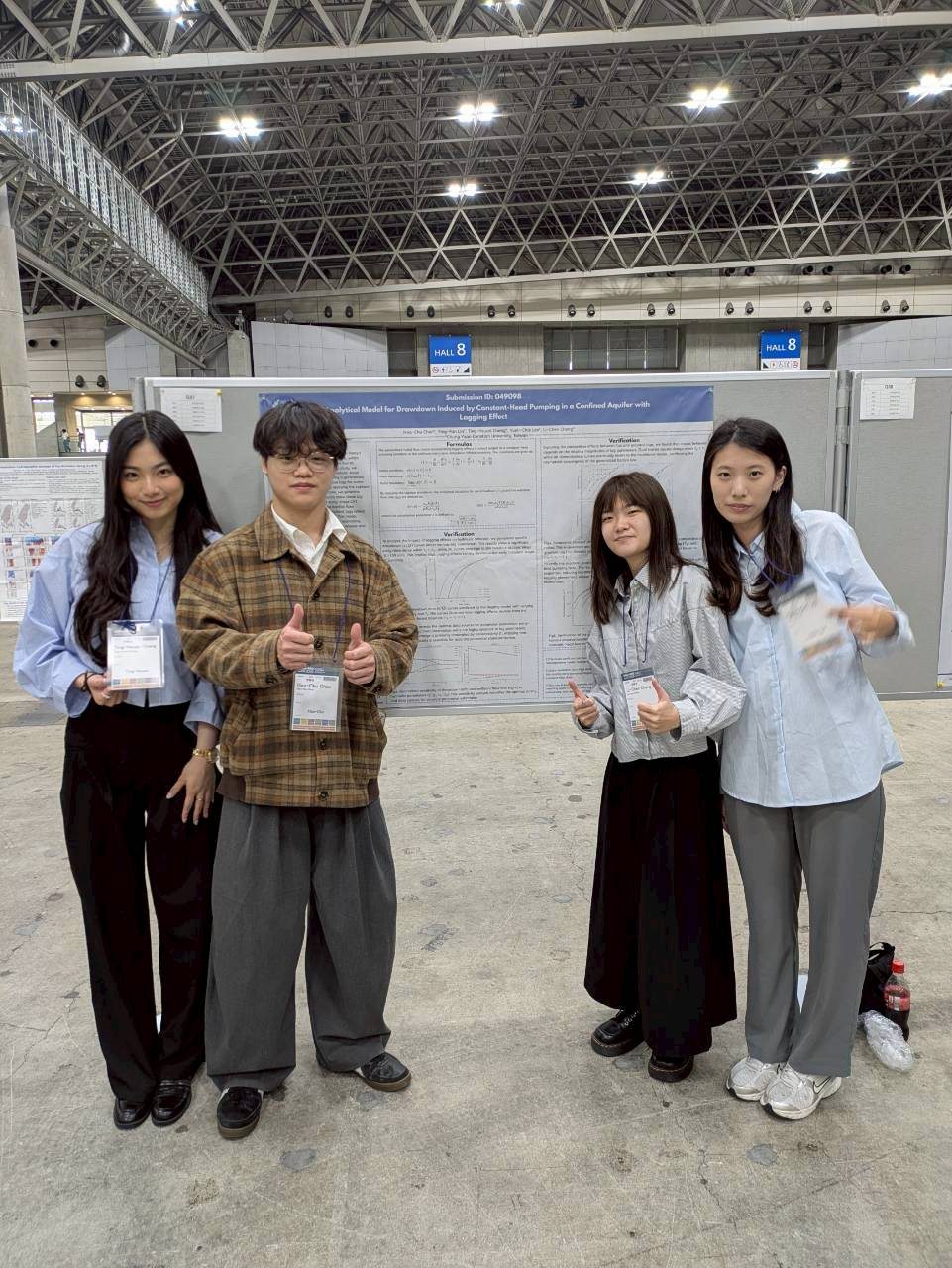
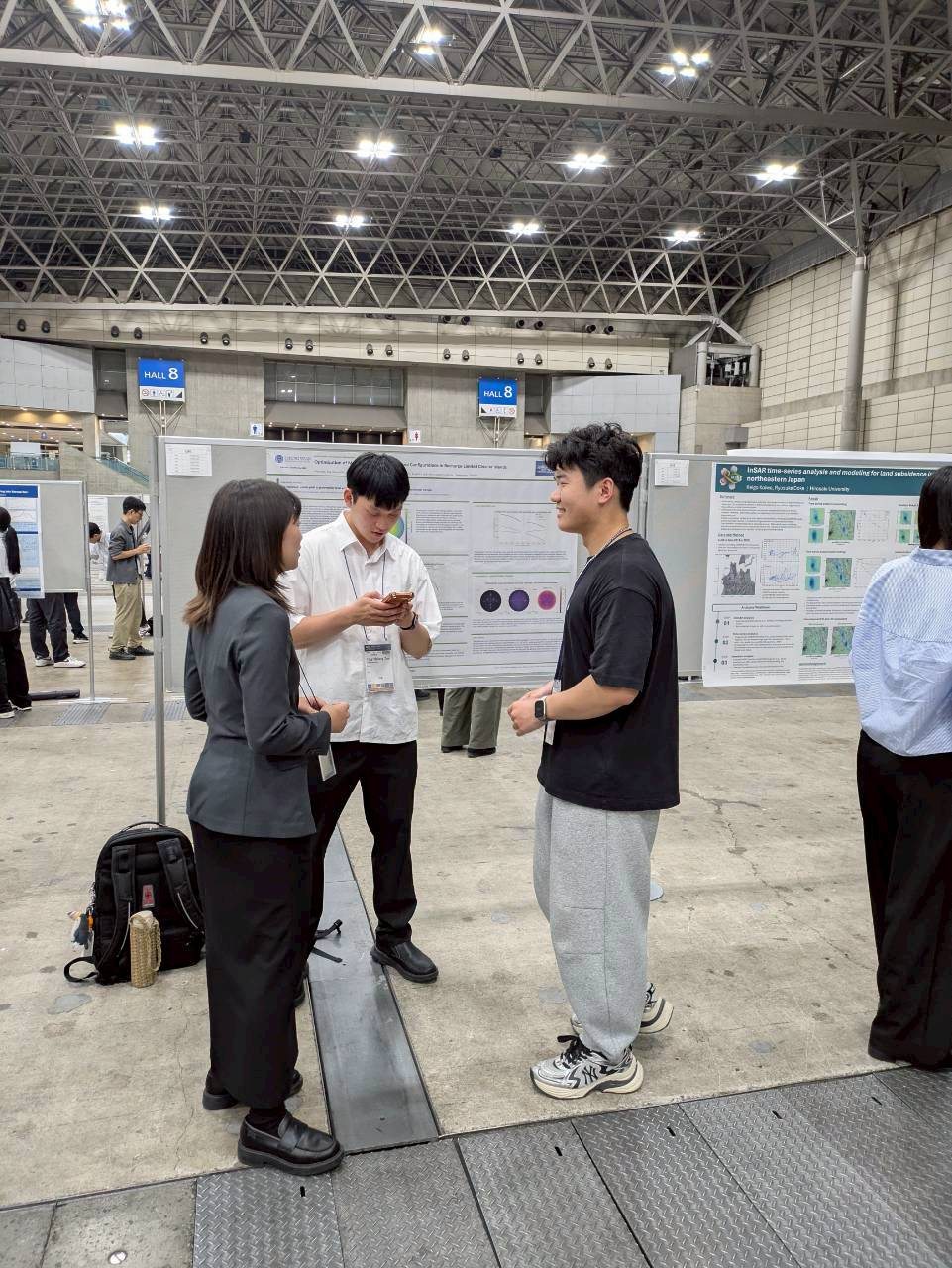
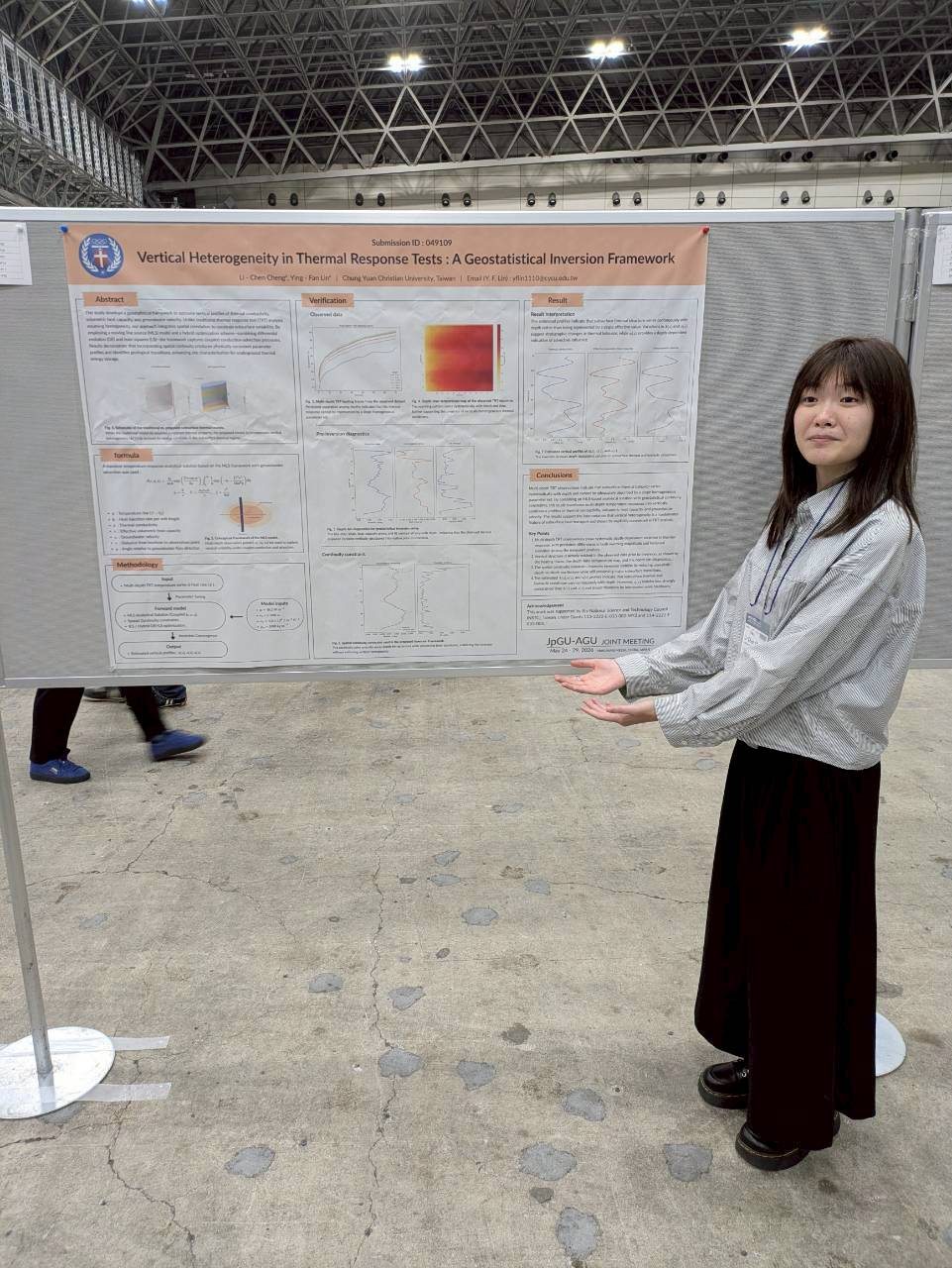
Research on asynchronous groundwater response advances through poster sessions, technical discussion, and exchange across sites. These photographs record the settings in which ideas, evidence, and collaborations are discussed.