Graduated
Ting-Hsiang Tsai
蔡鼎翔
Development and Application of an Analytical Solution for Oscillatory Pumping Considering Lagging Theory
考慮延遲理論之振盪抽水解析解建立與應用
Lin Groundwater Hydraulics Group
Student projects have advanced analytical well hydraulics, Lagging Theory, thermal-response interpretation, and uncertainty diagnostics.
Faculty direction
Principal investigator
林穎凡
The group develops analytical models for groundwater and subsurface heat transport, then asks how model structure changes inferred parameters and engineering decisions. Lagging Theory provides a shared line of inquiry into non-instantaneous hydraulic response.
Graduate work
Thesis titles are shown in English and Traditional Chinese where the final title was supplied.
Graduated
蔡鼎翔
Development and Application of an Analytical Solution for Oscillatory Pumping Considering Lagging Theory
考慮延遲理論之振盪抽水解析解建立與應用
Graduated
羅于翔
Applying Dual-Phase Lag Theory to Thermal Response Test in Thermal Energy Evaluation
應用雙相位延遲理論於地熱能評估之熱響應試驗
Graduated
Thermal response testing, borehole grout heat storage, and thermal-parameter estimation
Graduated
Lagging Theory and spatial parameter distributions
Graduated
Completed student research project
Graduated
Hydraulic memory and uncertainty diagnostics in pressurized slug tests
Published evidence
Each record links to its DOI and uses the first page of the published paper as its visual source.
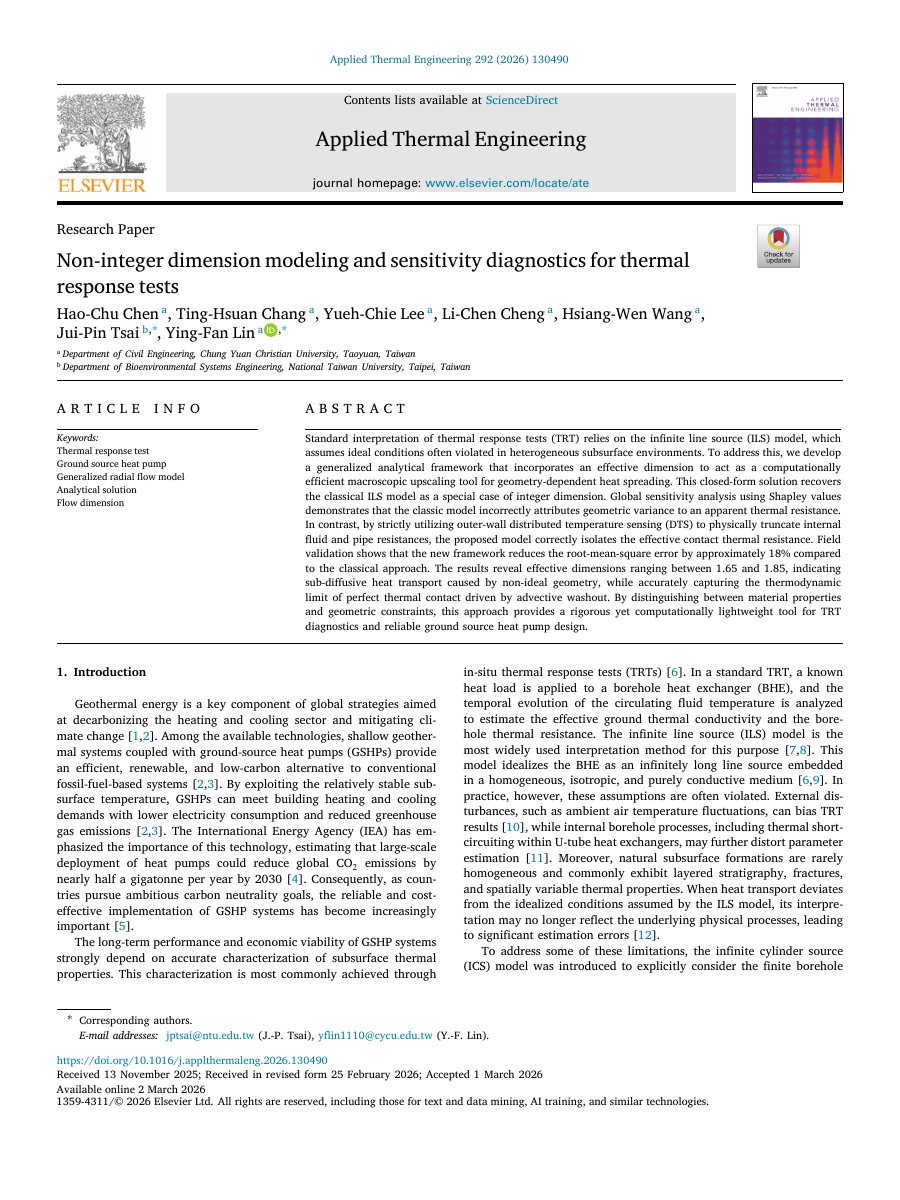
This study uses a non-integer dimensional description and sensitivity diagnostics to examine how thermal-response-test behavior changes with geometry and parameter interactions.
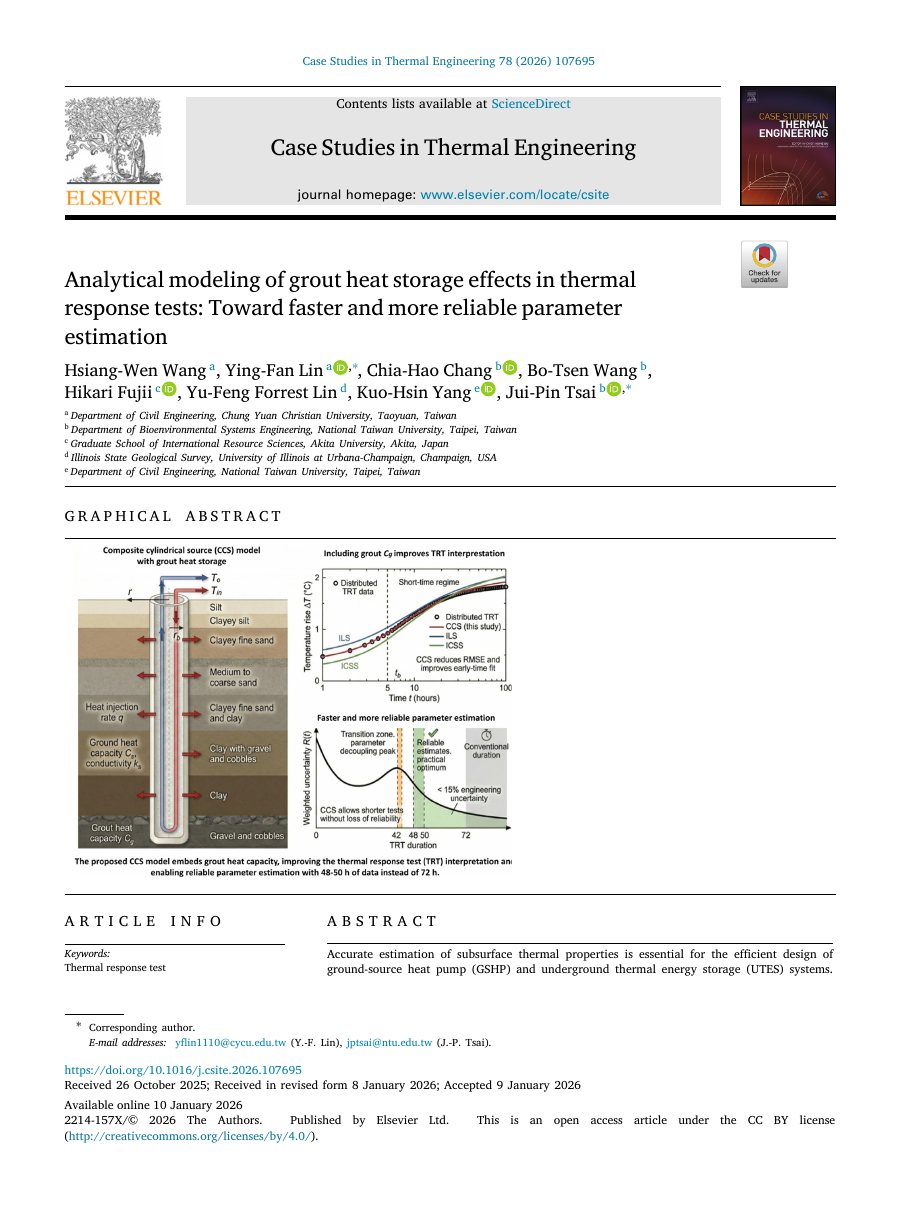
The analytical model retains heat stored in borehole grout, helping distinguish early-time grout effects from the later ground response used for thermal-property estimation.
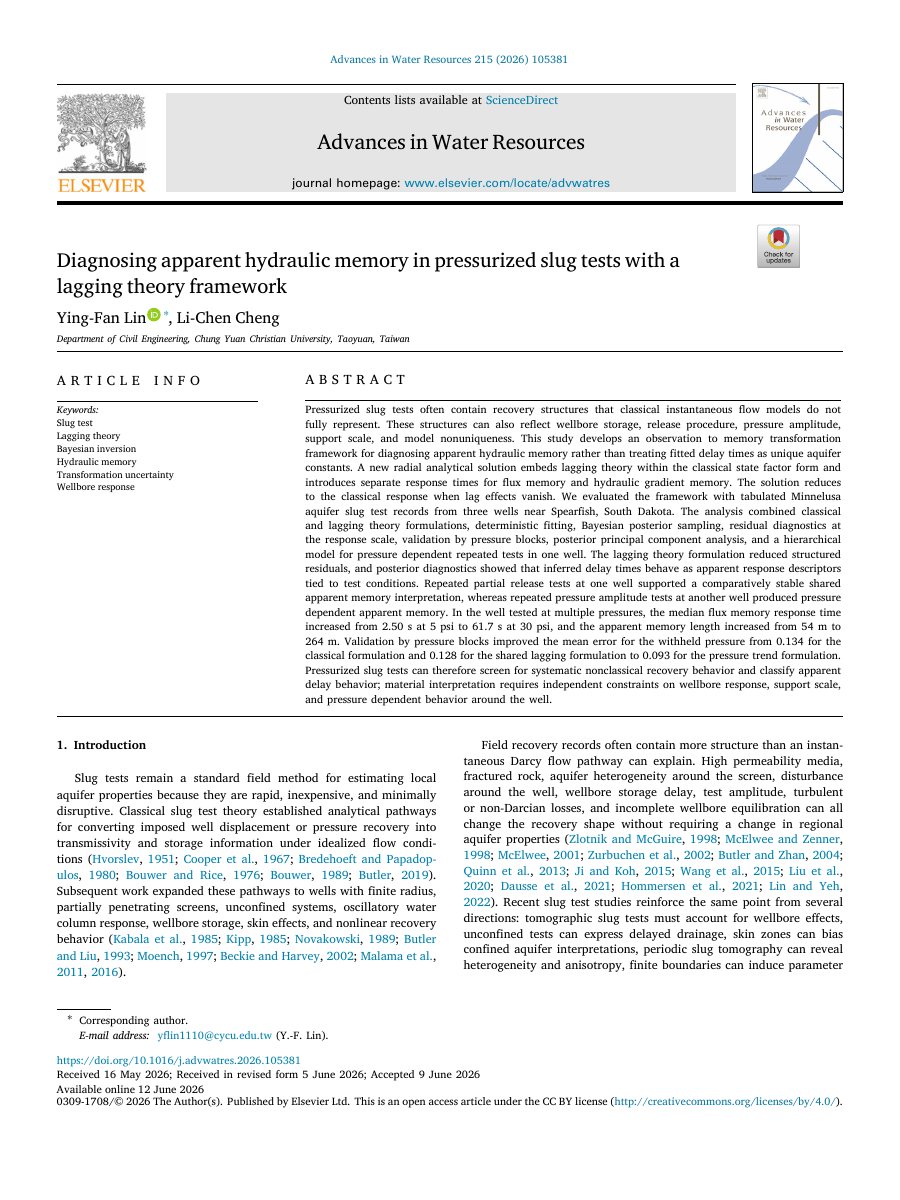
The study separates apparent delayed recovery from a unique aquifer constant and uses Bayesian diagnostics to examine how pressure, scale, and model assumptions affect interpretation.
Author names above follow the journal records. Roster names follow the group record supplied for this website.
Research in public
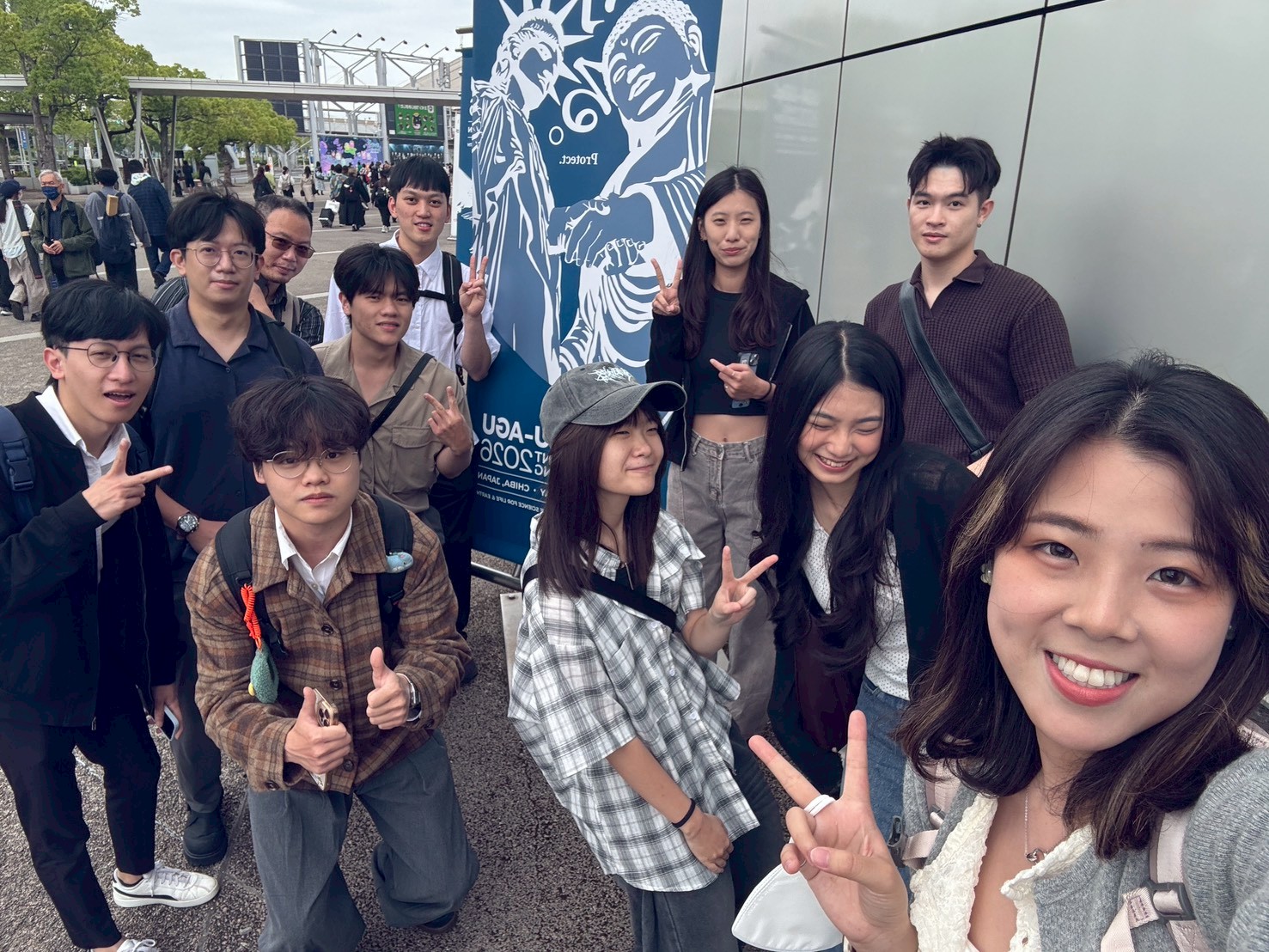
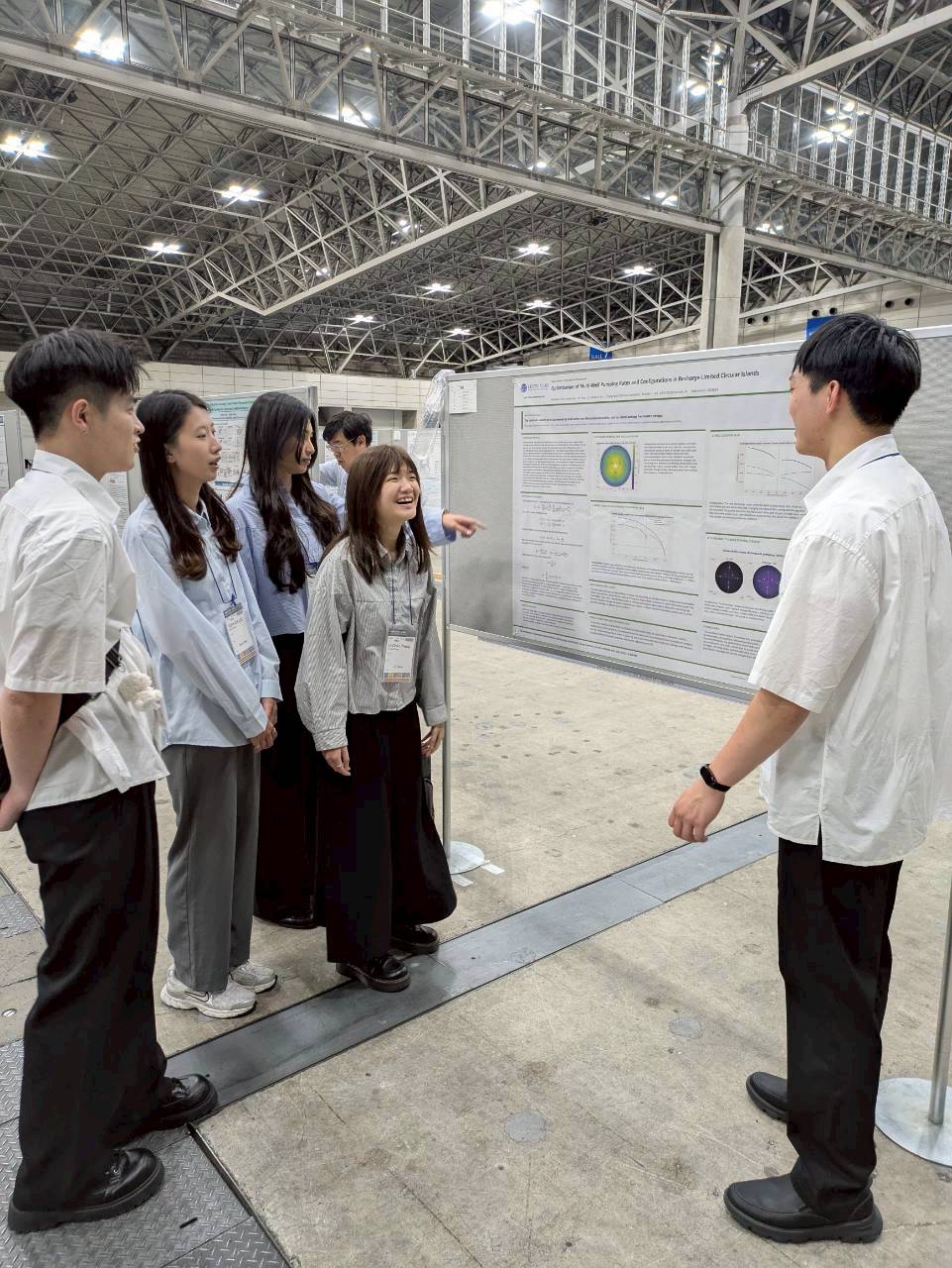
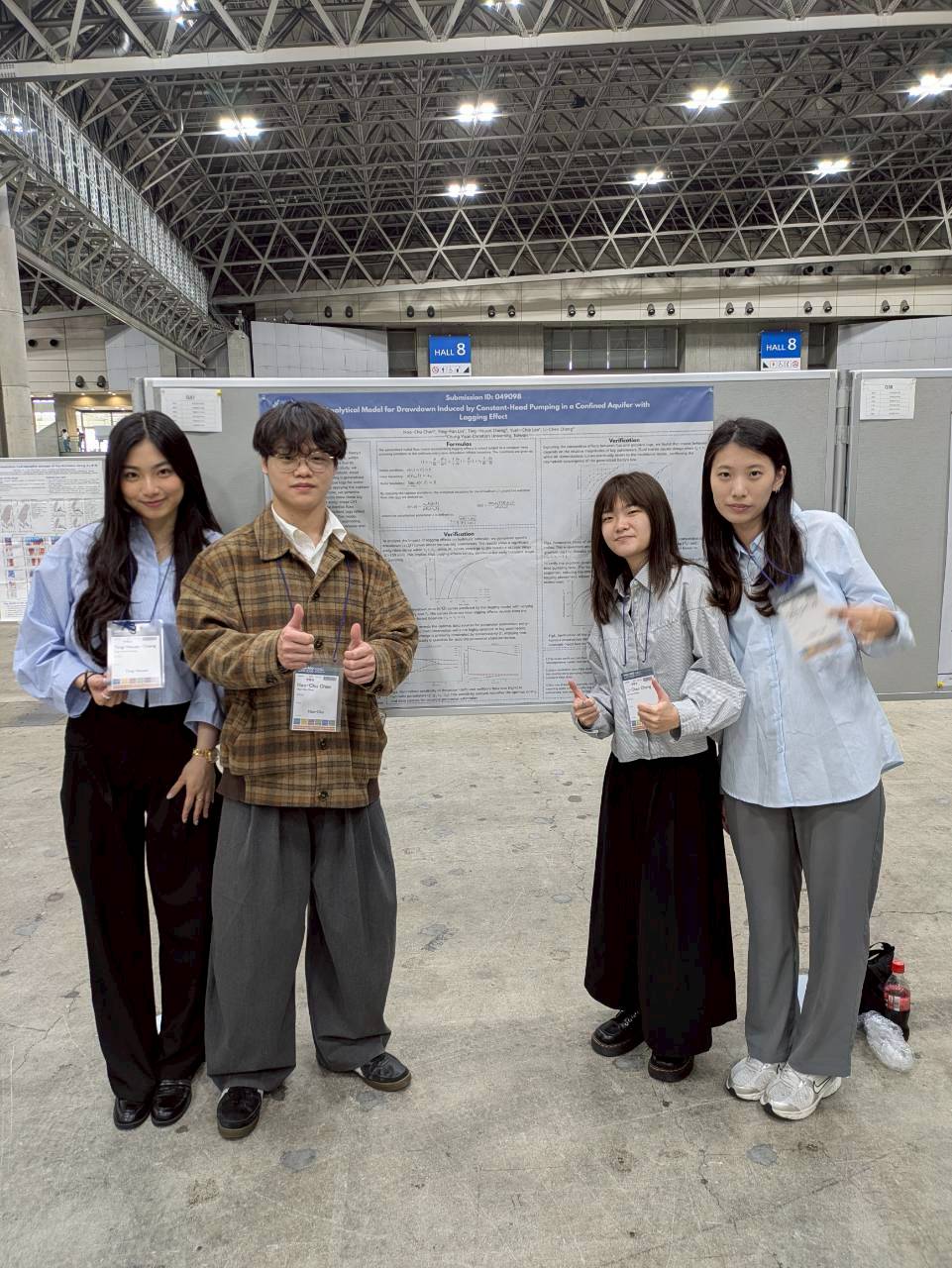
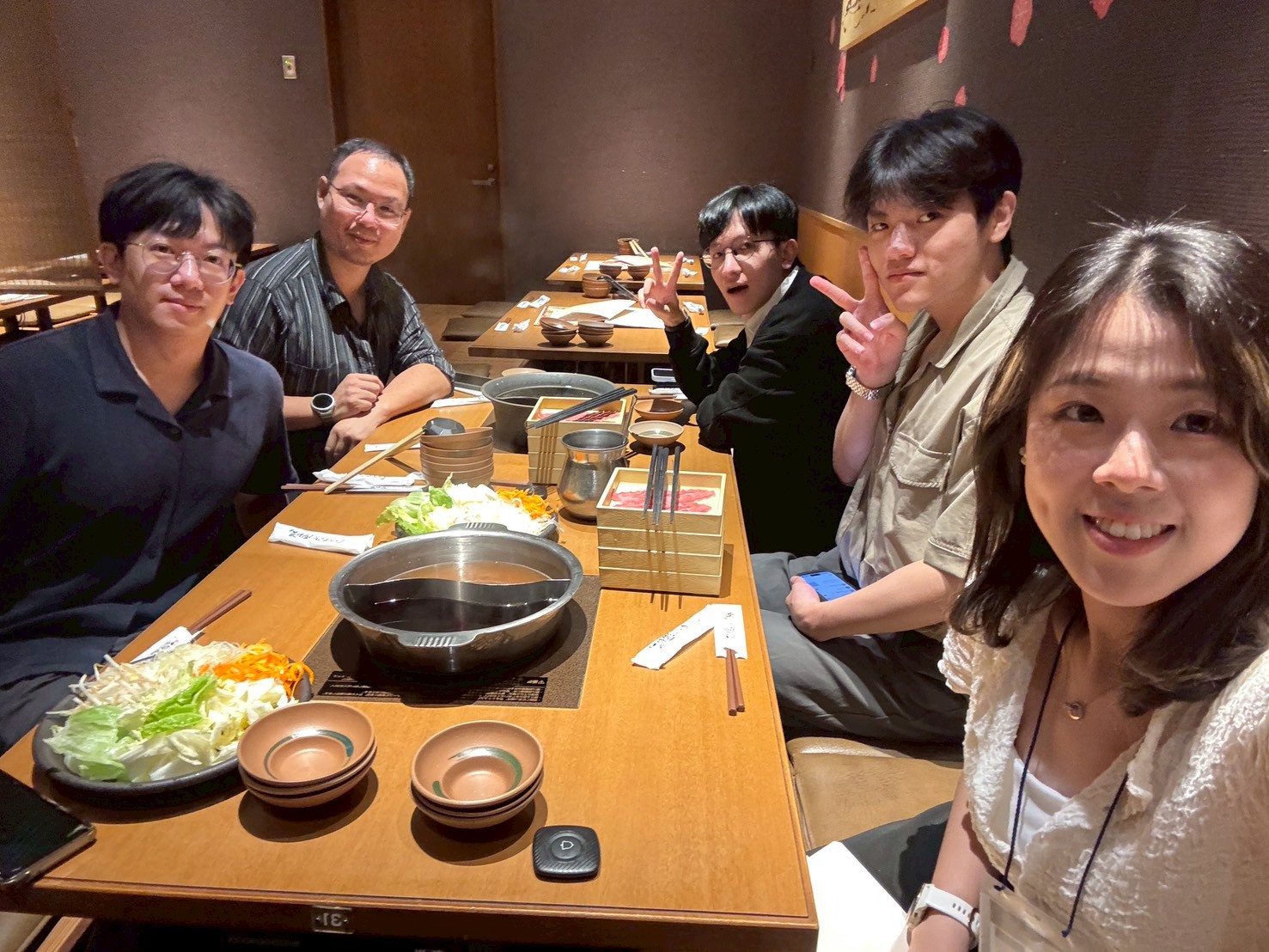
Conference participation is where derivations meet questions from outside the group.
Work with the group
Suitable collaborations begin with a measured response, a forcing history, and a clear account of the decision that depends on the interpretation.
Start a technical conversation